
Summer heat doesn't just affect gasoline engines—it also impacts the high-voltage battery systems in MAZDA hybrid and plug-in hybrid (PHEV) models. Understanding how high temperatures affect these components makes it easier to see why Mazda hybrid service matters just as much in July as it does in January. Our team at Blaise Alexander Mazda of State College wanted to explain what's happening under the hood.
Battery Systems and Heat
Hybrid and plug-in hybrid batteries perform best within a specific temperature range, and extreme heat can accelerate long-term battery degradation if the system isn't managed properly. Most modern hybrid and PHEV batteries include thermal management systems designed to regulate temperature automatically, but consistent exposure to high heat still adds strain over time.
Charging in Warmer Temperatures
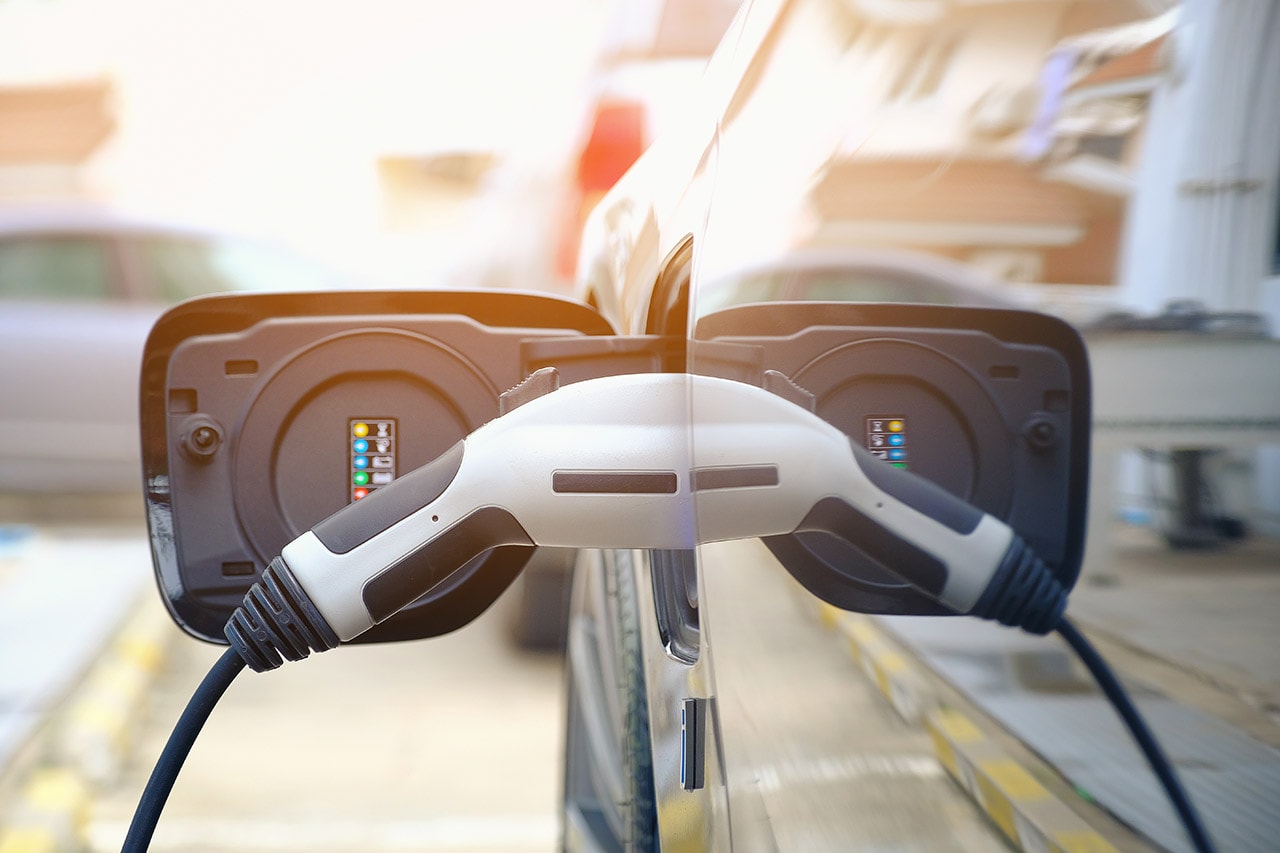
For plug-in hybrid owners, charging in extreme heat can sometimes take slightly longer or behave differently than charging in milder weather, as the battery management system works to keep the battery within a safe temperature range. This is a normal part of how the system protects itself, not a sign of a problem.
Why Routine Service Still Matters
Even with built-in thermal protection, routine Mazda hybrid service helps verify that the battery cooling system, high-voltage components, and vehicle software are operating properly. Catching small issues early can help maintain efficiency and long-term battery performance.
Schedule MAZDA Hybrid Service in State College, PA
Keeping your hybrid or PHEV system healthy through the summer starts with a routine checkup. Visit Blaise Alexander Mazda of State College to schedule Mazda hybrid service and keep your vehicle ready for whatever the weather brings.
